Wednesday, 1 June 2022

Summer is here for our breeding birds - May 2022

Birds don't wait until our summer to breed and some of our species, like pigeons and cormorants, can start laying as early as January!

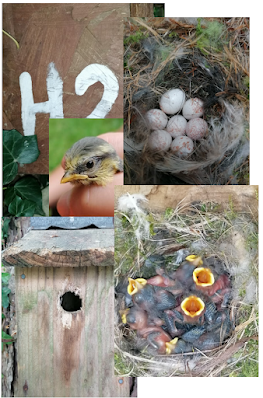
Our Blue Tits aren't as early as those species but do get a head start on returning migrants by laying from the end of April and fledging young as early as May. That gives us some busy sessions checking boxes and (digitally) filling out nest record cards to contribute to the national scheme.

We have a few boxes at a nature reserve, just outside Maidenhead. These boxes have had a good year, with all being occupied.

Blue Tit box-checking for the annual national survey

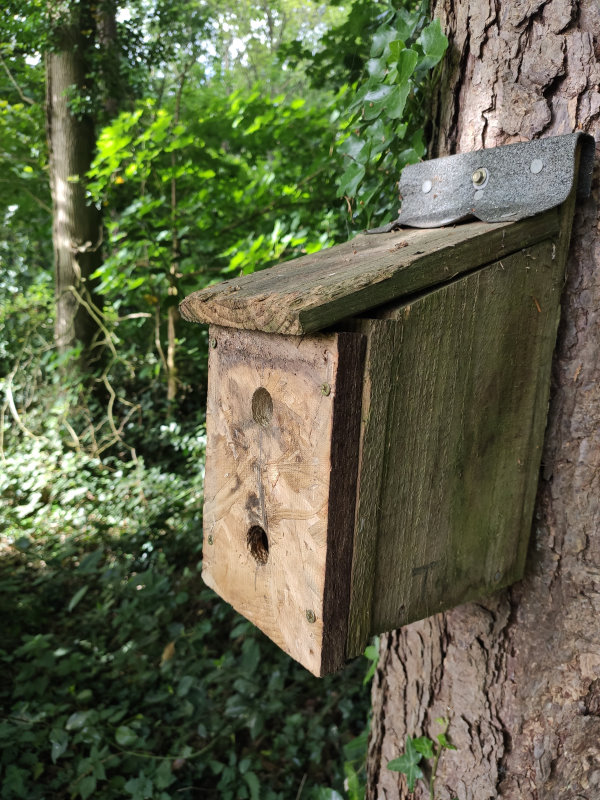
One of our boxes had the unwelcome attention of a Grey squirrel so we added protection to the front of the box to keep the chicks safe.

A second front was added to this box to stop squirrels chewing their way through to the nest

Sessions at Befont produced an interesting Reed Warbler which we'd ringed as an adult in 2014 making this bird at least eight years old and eight round-trips between Bedfont and Africa!


We ran three sessions at Wraysbury to continue our Constant Effort Site programme. Numbers were down compared with last year and we will have to await the national report to see how the site has faired compared with the broader picture.

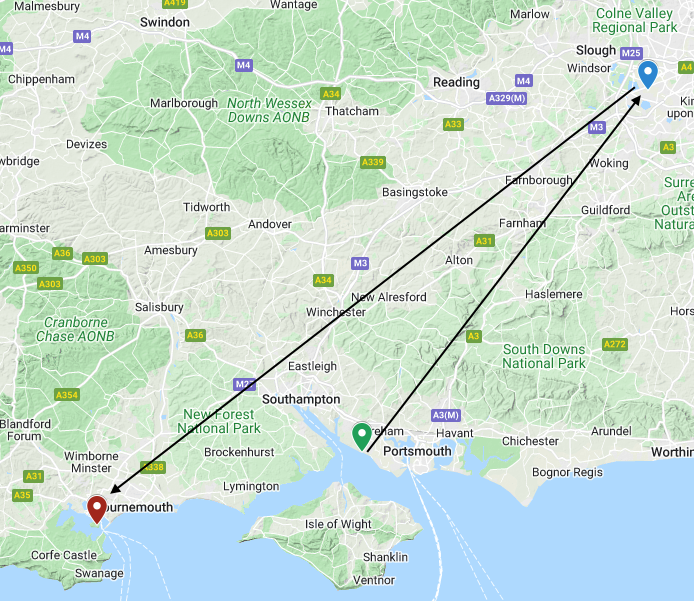
Bedfont had two other interesting recoveries: a Cetti's Warbler ringed in Titchfield Haven National Nature Reserve last October. And a Bedfont colour-ringed, in 2019, Common Tern chick was seen down in  Dorset this May.

Common Tern & Cetti’s Warbler Bedfont recoveries mapped

Wednesday, 4 May 2022

Migrants return - April 2022

This month the group returned to Wraysbury to prepare the site for the CES and catch the migrants as they returned to the country.

Top species were Blackcap (41 individuals), Chiffchaff (14) and Dunnock (11). By the last session (which was CES #1) we recorded the season’s first Garden Warbler (6) and 3 further Whitethroat (we’d captured our first on 15th). Regulars noted the absence of Willow Warbler this year - we’d recorded five last year and this April we didn’t even hear any song.


I took four of our trainees around the woodland boxes at Woolley Firs on 23rd. Last year I had reduced the number of boxes to be intune with the thinning of trees carried out by BBOWT. All remaining boxes were occupied and all but two had begun clutches.

I mentioned to the trainees that we had a couple of years of Great Tits nesting in a Tawny Owl box at Woolley. A great example of a bird’s natural instinct to build a nest even when the choice of site is far from ideal. In both years the clutch successfully fledged. We removed the box after seeing this two years running and put up a smaller box, just for the tits.

A Great Tit nest at the bottom of an owl box

Friday, 1 April 2022

Hardwork ready for spring - March 2022

Most of this month’s activity at Bedfont has been spent reclaiming the net rides from the Covid-induced jungle. The increase in Chiffchaffs has been noticeable and last weekend Blackcaps were singing, both being caught at some point during the sessions. The Blackcaps were carrying a good amount of fat which was good to see.

A few hours here and there and a good couple of mornings and the site is looking much better. There’s still plenty to do but I think it should pay off in the future.

At Woolley Firs, March can be a tough month for ringing as the winter flocks disperse and the summer migrants are yet to arrive. The stormy weather didn’t help and we didn’t get to Woolley until 15th; a Tuesday as we finally got the message that calm weekends weren’t to be taken for granted.

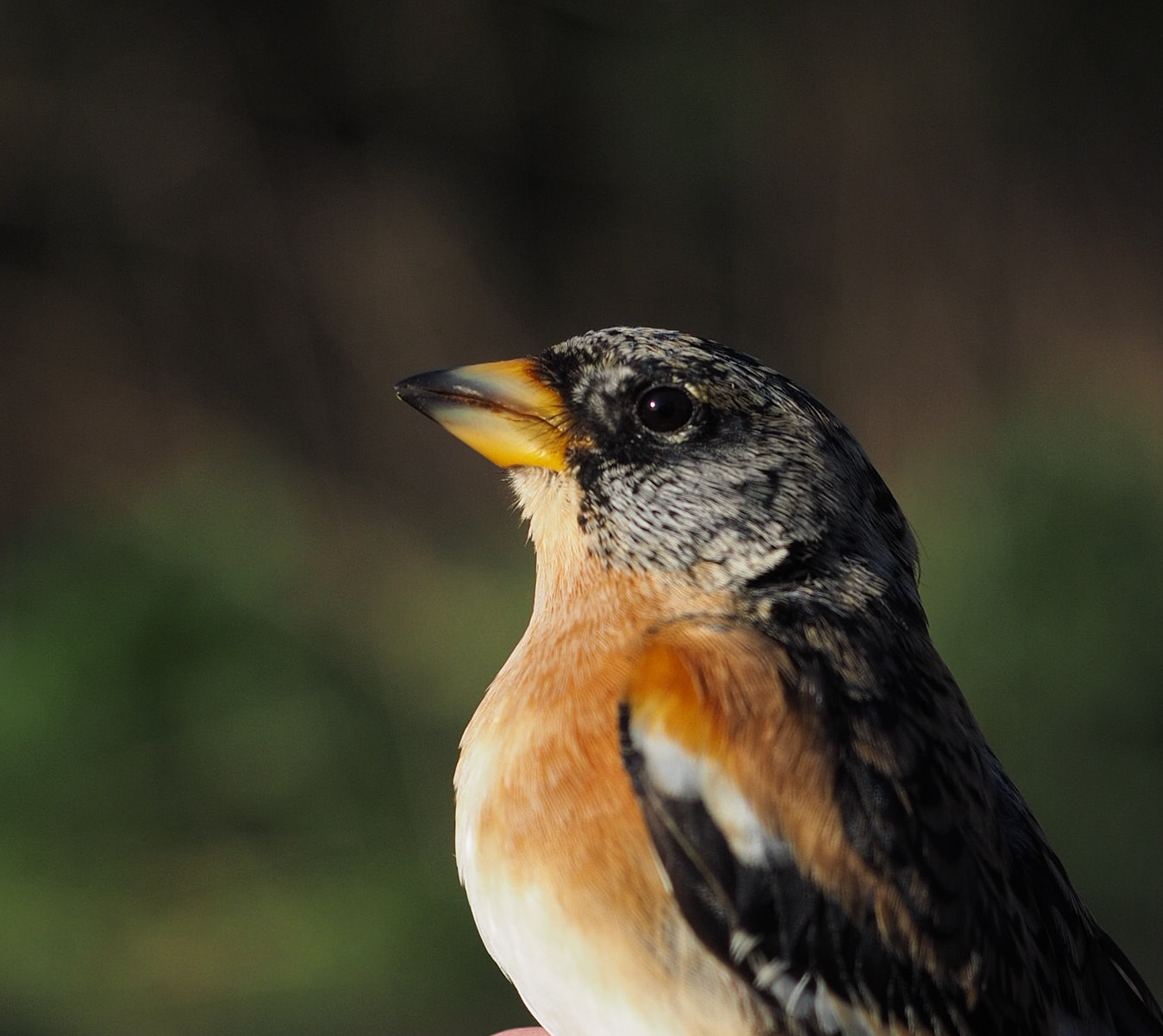
Rewards included a Danish-ringed Redwing and some rather good-looking Brambling.

Young male Brambling feeding-up at Woolley Firs

We opened the site at Wraysbury and found the site in good shape. The catch included Chiffchaffs and Blackcaps and one of the Blackbirds could be seen with-egg - nature is getting on with the year!

Trainees reading the literature between rounds

Tuesday, 1 March 2022

Reasons to be grateful - February 2022

 This month last year a combination of lockdown and poor weather prevented the group from ringing any birds (only forty sightings of twenty-six colour-ring birds were entered).

So this month we can be thankful that although the storm season got serious - storms’ Dudley, Eunice and Franklin crossed the UK in only seven days - we were lucky to lose only one weekend of netting to them.


On the 12th we ran a public ringing demonstration. Over twenty turned up, including some who had traveled from Bristol to see their first bird ringing session.

Despite the cold, the feeders were fairly quiet and we only caught 21 birds. This was enough to provide a backdrop while we explained why ringing is important to conservation and science, and provided an opportunity to see birds up close.

Tricia of BBOWT said that they had turned away twenty additional people and that suggests we should be running more demos!

Tuesday, 1 February 2022

Good weather finally! January 2021

 The month’s weather got off to a good start enabling the group to run six sessions.

The month's total of 204 captures was a site record; well ahead of the previous best of 161 in 2015. While there is much context to take into account I can say that it’s unusual to see tit flocks in large numbers at the site after Christmas.

Feather condition: we noted a couple of Great Tits with poor quality body feathers; possibly a result of an infestation (enough for us to sanitise after handling these individuals).

hello 


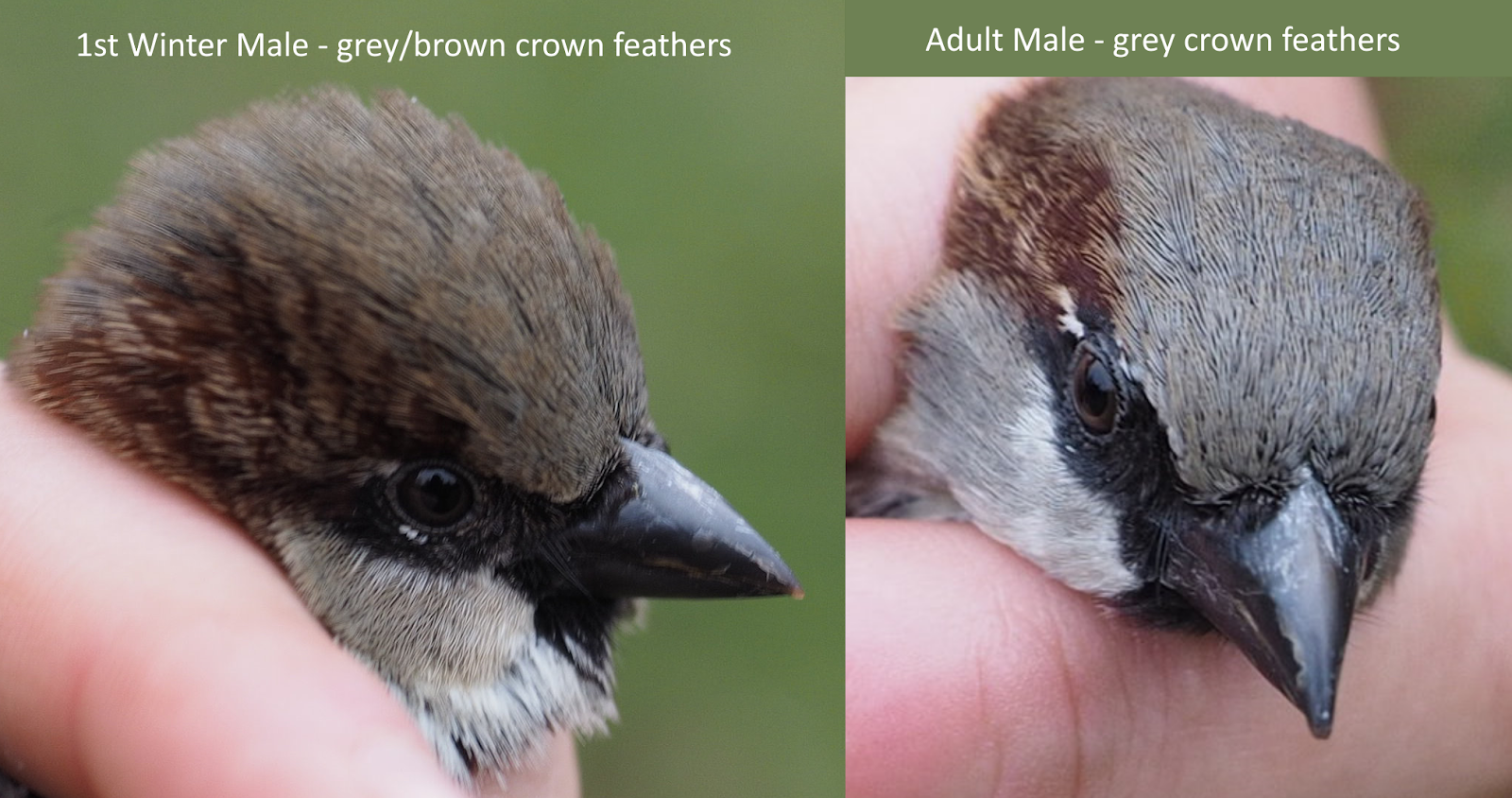
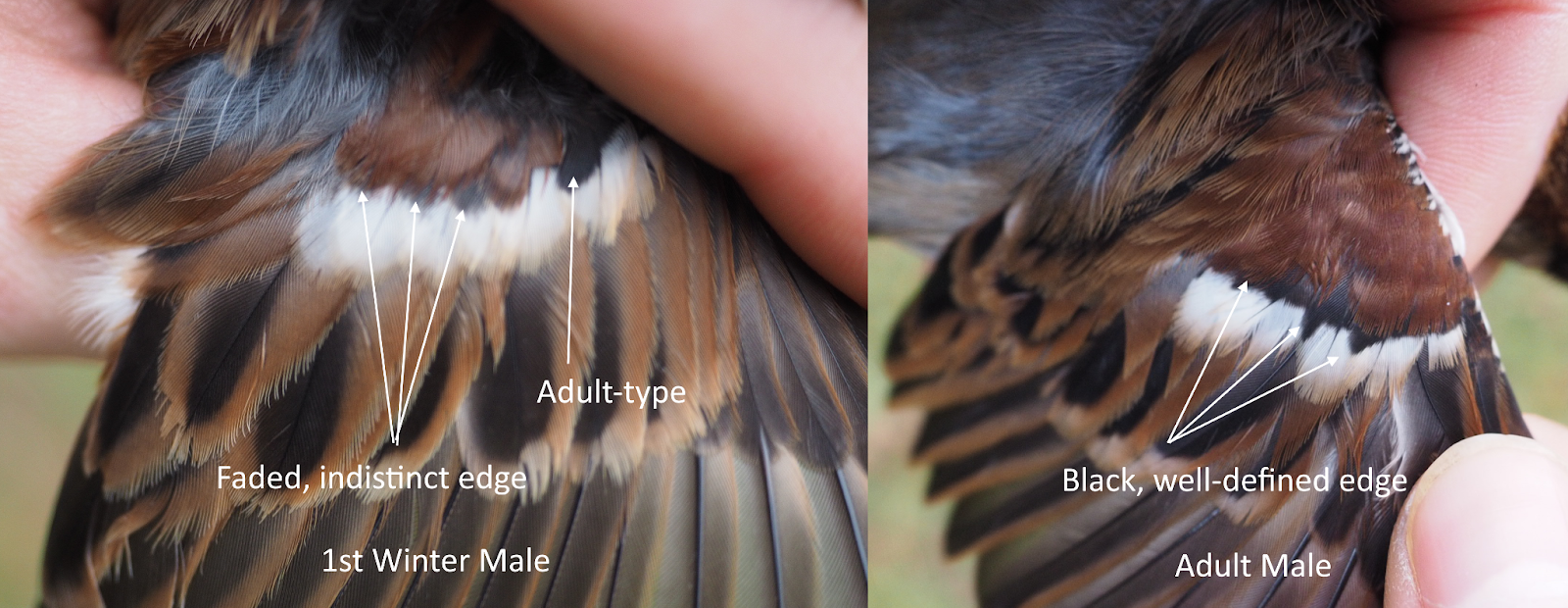
Ageing House Sparrow

Svensson’s Identification Guide to European Passerines notes that House Sparrows cannot be aged after the completion of the young post-juvenile moult and the adult post-breeding moult. Laurent Demongin’s Identification Guide to Birds in the Hand notes plumage differences that can be used to age males. So we gave it a go…


Monday, 3 January 2022

End of year ringing - December 2021

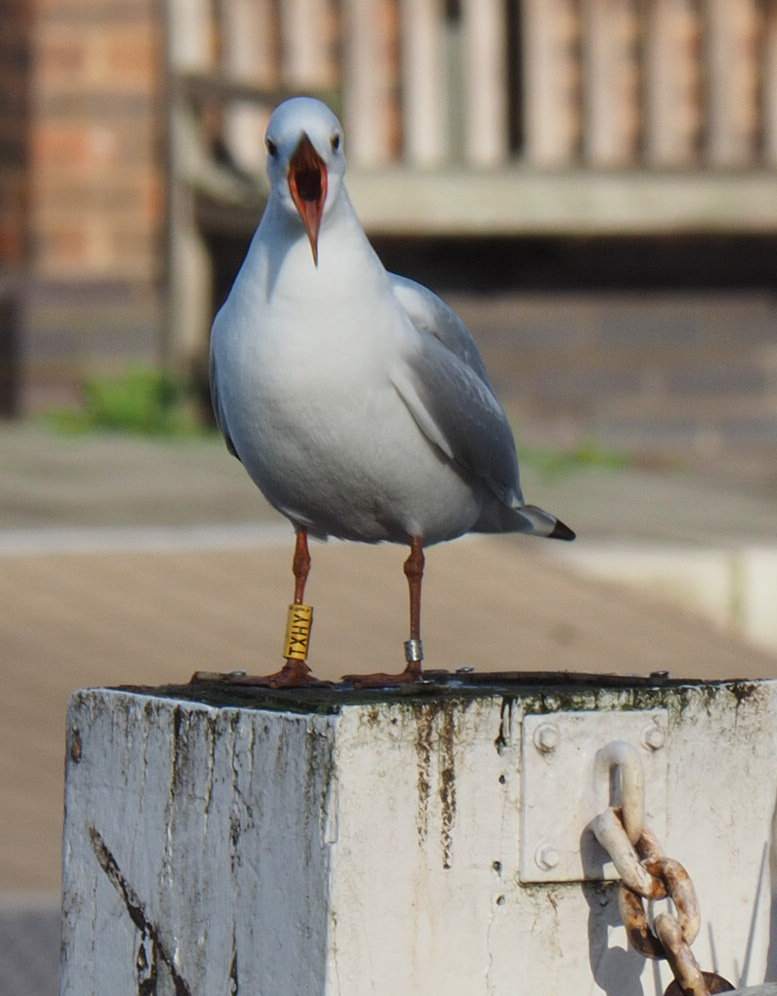
 The year finished with unsettled weather but the group did get out to Minet and Woolley Firs while a garden site added some House Sparrows to the totals and the River Thames, a Polish Black-headed Gull sighting.

Change is afoot at Woolley Firs: arable farming has ceased and those fields left to go to seed. This has seen the beginnings of a revival for the site with over 200 finches, mainly Chaffinch, but also ~50 Linnet.

Despite those finch numbers, a poor forecast had us start at the woodland feeders on 11th. In practice, it was probably calm enough to have tried the fields! Still, the feeders produced 155 birds including two Nuthatches and a Firecrest. We packed up as rain threatened.

The 155 birds, spread across twelve species, gave good experience to two new trainees (35 birds processed between them) and a new trainee on her first taster session.

The poor breeding season across the region was evident in the day's catch: the age ratios are quite depressed when compared with birds caught in previous Decembers.


Species

Juvenile

Adult

Age ratio Juvenile : Adult

Blue Tit December 2021

62

24

2.6 : 1

WF Wood historic December ratio

3.4 : 1

Great Tit December 2021

28

17

1.6 : 1

WF Wood historic December ratio

2.1 : 1


Polish-ringed Black-headed Gull at The Thames, Windsor

Wednesday, 1 December 2021

Chobham ringing and Ealing nocmig - November 2021

A very quiet month for the group with only two ringing sessions, both at Chobham, giving us the opportunity to catch up with a London member's acoustic findings.

Nocturnal Migration "noc-migging"

September 2021

Noc-migging was carried out on 18 nights, with a total of 26 birds (or groups of birds – you can never be sure of the actual numbers of overflying birds) of 13 species recorded.

Gadwall were recorded on three nights (1st, 14th and 17th). There are presumably migrant birds moving through unlike the Mallard – recorded on 20th (2 records) and 24th – which are probably mostly local birds. The only other waterfowl was a Mute Swan at 01:37 on the 10th and identified by the characteristic noise of the wingbeats.

Two other waterbird species were represented by singles of Coot on 20th and  Grey Heron on 3rd.

Two wader species were recorded, Oystercatcher on 11th and a Common Redshank on 9th. Both would have been migrants.

September is usually a good month for migrant passerines, especially up to an hour or so after sunrise. However, this year was poor with just 6 Meadow Pipit and 3 Yellow Wagtail (the September 2020 figures were 85 and 8 respectively). However, fewer nights recording this month, finishing the night’s recordings slightly earlier and the loudness of the local Robins drowning out anything else all may have had a bearing and made any potential comparisons with the previous year difficult.

Two Robin that were recorded in the middle of the night (3rd and 26th) were considered to be migrants overflying the garden, rather than the local birds calling, but impossible to be sure. 

The early Redwing, predicted in my August report, did not arrive either and there seem to be very few in the country so far this winter.

They say always save the best until last, and the undoubted highlight of the month was a flock of at least 3 Sandwich Tern at 21:30 pm on 29th.

October 2021

Noc-migging started off as a fairly quiet affair with a possible Dunlin on the 3rd and a Coot on the 5th of note.

The first Redwing of the season (7 calls) were recorded, along with a two Song Thrush and a Blackbird on the night of the 6th. This is nearly a fortnight later than in 2020 when the first redwing were recorded on 26th September.

Then the 12th of October happened! That night, (12th-13th) 777 Redwing calls (involving thousands of birds) were logged over the night with a supporting cast of 61 Song Thrush calls and  4 Blackbird calls. At least one Golden Plover went over as did some nocturnal (probably migrating) Black-headed Gull. This influx was mirrored from other sites in the SE and was the first large arrival of thrushes in the UK this year.

The following night (13th) Redwing numbers were still high with over 220 calls recorded (plus 50 Song Thrush calls) but only 35 Redwing calls on the 14th.

Numbers of Redwing rallied to over 200 calls on both the 15th and 17th before falling again to double figures on the 21st.  However, the 21st did bring a new species to the garden noc-mig list with a Green Sandpiper.

Redwings continued to pass overhead with over 250 calls recorded on the 24th before another huge influx on the 28th when 856 calls were recorded mostly before midnight and well over 200 per hour between 20:00 and 22:00, along with 12 Blackbirds and 25 Song Thrush.

The less frequent species recorded this October have rather paled into insignificance after the above, but included 1+ Gadwall on the 14th along with another Golden Plover on that date, an unidentified call which was probably a migrating Jay on the 28th and a Yellow Wagtail on the 13th.

Post-dawn migration has been rather poor in terms of numbers this year, but did include small numbers of Chaffinch, Meadow Pipit, Siskin and alba (Pied/White) and Grey Wagtails during the month, and a Brambling was heard ‘live’ going over on the morning of the 13th.

In total, 14 nights of recording were undertaken and 21 species logged (including post-dawn migrants)

There have been no Fieldfare and it looks like they are late-arriving this year.